Luma beauty guide
Dark Circles: Why the Under-Eye Area Looks Dark, and a Routine for the Look of It


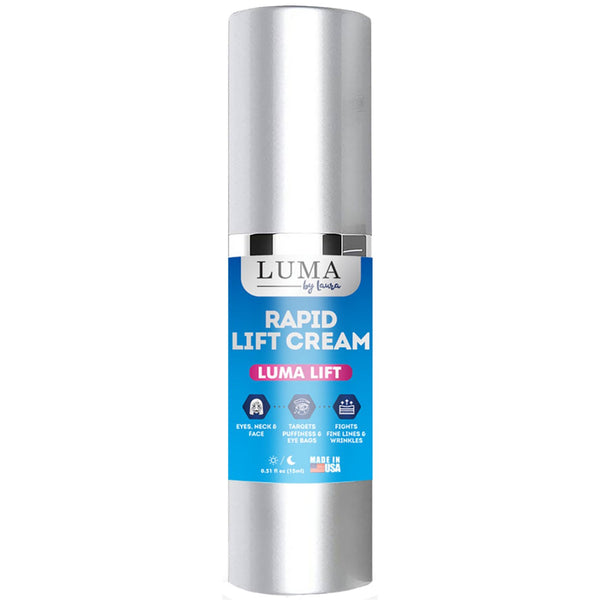
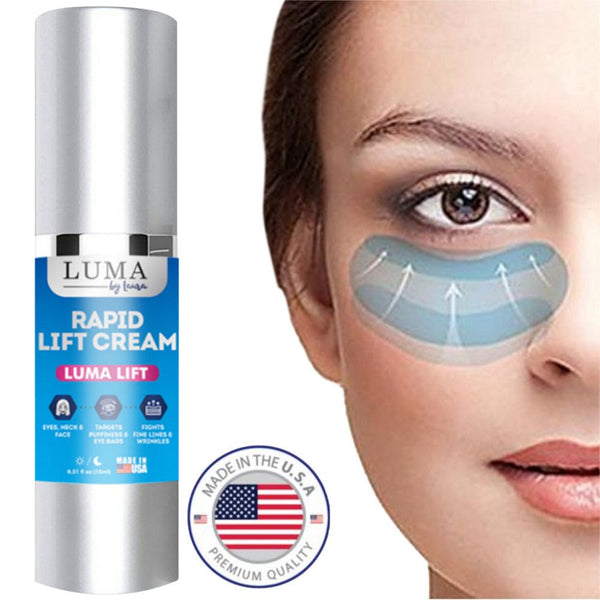
The under eye area looks dark mainly because the skin there is thin, so the area can look shadowed and tired even when you have slept well. A routine for the look of it is about hydration, gentle application and a product made for that area. As of October 2026, Luma Lift Instant Eye Lift Cream costs $49 for 0.5 oz on lumabylaura.com, and its product name names the concern directly: for the look of fine lines, dark circles and crow's feet. It hydrates and helps the skin around the eyes look smoother, firmer and more rested.
This routine is about the dark, shadowed, tired look under the eyes. Puffiness and bags are different concerns: we cover them in our post on how to reduce puffy eyes and our post on eye care mistakes that defeat even the best cream for under eye bags. The three are related, and each gets its own routine.
Why does the under-eye area look dark?
Dermatology references such as DermNet group dark circles into a few types: extra pigment in the skin, thin skin that lets blood vessels show through, and shadows from hollows or puffiness. In appearance terms, that comes down to four things that make the under eye area read as dark in the mirror and in photos:
First, thin skin. The skin around the eyes is very thin, so blood vessels underneath can show through more than they do on the cheeks. Some under-eye darkness is also pigment, which can follow sun exposure or frequent eye rubbing, per DermNet. That is why the under eye can look darker or more shadowed than the rest of the face, especially in strong light.
Second, shadow. The eye sits in a socket, and the hollow under the eye catches shadow. A shadow is a lighting effect, not a color, which is why the same face can look more or less dark depending on the room, the time of day and the angle of a photo.
Third, a tired look. When skin around the eyes is dry or dehydrated in appearance, fine lines show more, light reflects less evenly, and the whole area looks flatter and darker. Hydrated skin looks smoother and reflects light more evenly, which is one reason a moisturizing routine can change how tired the area looks, even though no cosmetic changes the structure of the skin.
Fourth, habits that show. Sleep, rubbing the eyes, removing makeup roughly, and applying products with too much pressure all affect how the delicate area looks day to day. The routine below is built to be gentle for exactly this reason.
None of this is a medical diagnosis, and this page makes no treatment claims. If dark circles are new, severe, or you are concerned about them, talk to a doctor or dermatologist. What a cosmetic routine can do is address the look: hydration, smoothness, and a more rested appearance.
What does a routine for the look of dark circles include?
| Step | What you do | Why it helps the look |
|---|---|---|
| 1. Cleanse gently | Wash your face and eye area with a gentle cleanser and pat dry | Clean skin, no rubbing or dragging on the thin area |
| 2. Apply your usual eye cream or serum | Use your regular eye area product first | Base hydration for the area |
| 3. Tap on Luma Lift on top | A very small amount, tapped with your ring finger, do not rub | Tightening feel as it dries, smoother and firmer look |
| 4. Let it dry | Give both products time to dry | The tightening effect forms as it dries, per the product page |
| 5. Makeup, if you wear it | Apply after the layers have dried | A smoother looking base under concealer |
These steps follow the Luma Lift directions on the product page, as of October 2026. Luma Lift is used on top of your favorite eye cream, serum or moisturizer, not instead of the whole routine. Wash your eyes and face with a gentle cleanser and pat dry, apply your usual product, then tap a very small amount of Luma Lift on top with your ring finger.
Do a patch test first, and stop using it if irritation occurs. Avoid direct contact with the eyes. Those cautions are on the product page, and they belong in any routine for this area.
What is in Luma Lift that suits this routine?
Luma Lift combines peptides, hyaluronic acid and botanical extracts, per its product page. For the dark look routine, the relevant points are hydration and surface smoothness:
Sodium hyaluronate, a form of hyaluronic acid, helps the skin around the eyes hold moisture, so it looks smoother and plumper. Peptides are used in eye area skincare to help skin look firmer and smoother. Botanical extracts in the formula, including acai fruit, perilla and white oak bark extracts, condition and soften the skin. White oak bark is used for its toning, slightly tightening feel, and Irish moss helps hydrate and soften.
You can read each ingredient in plain cosmetic language in the Skincare Ingredient Notes, which covers all three Luma products ingredient by ingredient. Our peptide focused article goes deeper on the two named peptides in Luma Lift, acetyl hexapeptide-8 and acetyl octapeptide-3, and links back to that same notes page as the reference.
How is the dark look different from puffiness and bags?
This split matters, because the three concerns get mixed together in most under eye writing, and then every page tries to answer every question.
The dark look is about color and shadow in appearance: the area reads dark, flat or tired. Puffiness is about a swollen look, often most visible in the morning. Bags are about the shape and fullness under the eye, and about habits that make a cream work less well.
If puffiness is your main concern, use the puffy eyes post. If bags and application mistakes are your concern, use the eye care mistakes post. If the area simply looks dark and tired, stay here. Cross linking between the three is deliberate, so each concern has one clear home.
What habits help the under-eye area look more rested?
Keep application gentle. Tap, do not rub, and use your ring finger, which naturally applies less pressure.
Remove makeup gently at night, rather than scrubbing the area clean.
Be consistent. A hydrating eye routine used daily will show its cosmetic effect more reliably than a product used once before an event, although Luma Lift is also positioned for an instant look: as it dries, it creates a temporary tightening feel that helps smooth the look of fine lines and crow's feet, per the product page. The FAQ on that page is clear that how long you notice the effect depends on your skin, the environment and the products you layer it with.
Mind the basics that affect how tired you look. Sleep, water and daily sunscreen are not cosmetics. They are simply part of how rested a face looks in the morning, which is the appearance this routine is built around.
Shop Luma Lift or browse the all products collection if you want to compare it with the rest of the Luma line.
FAQ
What is the best eye cream for the look of dark circles in the Luma line?
Luma Lift, because it is the Luma eye product whose name and description address the look of dark circles directly, alongside fine lines and crow's feet. As of October 2026 it costs $49 for 0.5 oz, and it is layered on top of your usual eye cream or moisturizer.
How do you apply Luma Lift for dark circles?
Cleanse and pat dry, apply your usual eye cream, serum or moisturizer, then gently tap a very small amount of Luma Lift on top with your ring finger. Do not rub. Let it dry so the tightening feel forms. Do a patch test first.
Does Luma Lift remove dark circles?
No cosmetic removes dark circles, and Luma does not claim that. The product page says Luma Lift hydrates the delicate skin around the eyes and helps reduce the look of puffiness and dark circles, for a brighter, fresher appearance. Results vary from person to person.
Why do dark circles look worse in some light?
Because part of the dark look is shadow in the hollow under the eye, not only skin color. Lighting angle changes the shadow, which is why the same area can look different in a bathroom mirror, in daylight, and in a photo.
Can you use Luma Lift every day?
The product page describes using it as part of your daily skincare routine for the best experience, layered over your other eye products. Follow the product directions, patch test first, and stop if irritation occurs.
Luma by Laura makes and sells Luma Lift, the eye cream mentioned in this article.
Sources: DermNet, "Dark circles under the eyes".
This article is for general information about skin care and cosmetics. It is not medical advice. If you have a skin condition or concerns about a product or ingredient, talk to a doctor or dermatologist.
Michael GonzalesWrites about skin care and beauty for Luma by Laura. About Michael