Luma beauty guide
Peptides in Eye Cream: What They Are and What They Do for the Look of the Eye Area


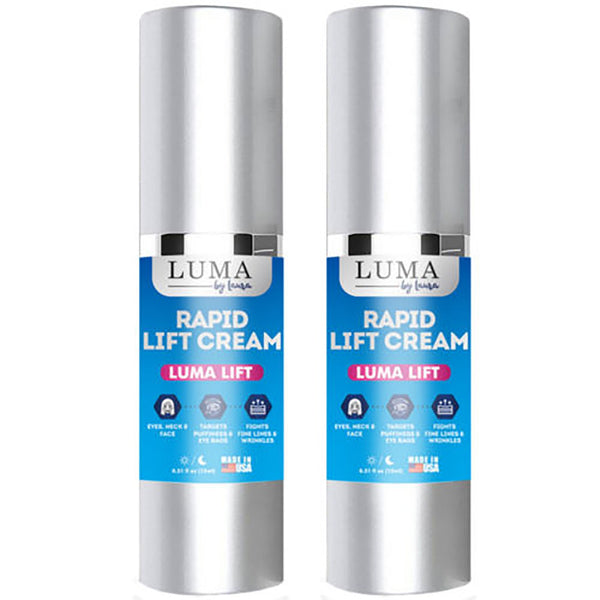
Peptides in an eye cream are cosmetic ingredients used to help the skin around the eyes look smoother and firmer. In Luma Lift Instant Eye Lift Cream, which costs $49 for 0.5 oz as of October 2026, the two named peptides are acetyl hexapeptide-8 and acetyl octapeptide-3, supported by a third peptide, palmitoyl tripeptide-1. The Skincare Ingredient Notes page describes acetyl hexapeptide-8 as a synthetic peptide commonly used in eye area skincare to help skin look smoother, including the look of expression lines, and acetyl octapeptide-3 as a synthetic peptide used in cosmetics to help skin look smoother around the eyes.
This article explains what peptides are, why they appear in eye creams, and how to choose a peptide eye cream. For an A to Z reference to all 16 key ingredients in the Luma line, see our Skincare Ingredient Notes page.
What is a peptide, in plain words?
A peptide is a short chain of amino acids. Amino acids are the building blocks that longer proteins are made from, and peptides are simply the short version. In cosmetics, peptides are ingredients added to a formula for what they do on the surface of the skin: in Luma's own cosmetic language, they help skin look smoother and firmer.
That surface framing is important. Luma by Laura products are cosmetics, meant to improve how skin, lips and lashes look and feel, not to treat any condition, as the Ingredient Notes page states at the end of its table. So this article sticks to the cosmetic picture. It tells you what the ingredient is, which Luma product carries it, and what look it is used for, using the site's own published descriptions from October 2026.
Independent research is more cautious than most marketing. A 2025 review of acetyl hexapeptide-8 in cosmetics found that its published studies are small and varied, and a lab study of a cosmetic formula found the peptide stayed mostly in the outer layer of the skin. That is one more reason to judge any peptide eye cream on how it looks and feels on your skin rather than on big promises.
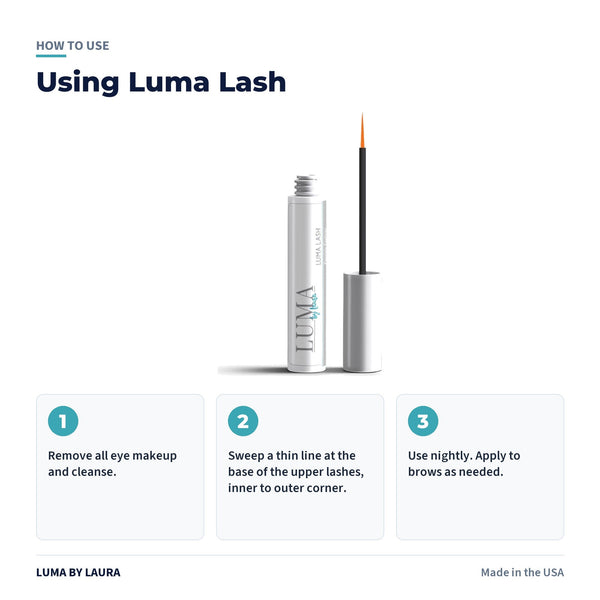
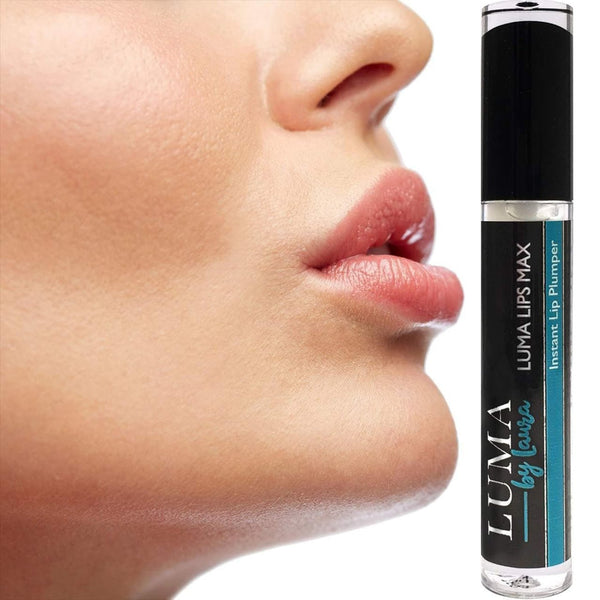
Peptides also appear elsewhere in the Luma line, which helps explain the family. Palmitoyl oligopeptide is used in Luma Lips to help lips look smoother, including the look of fine lip lines. Peptides in Luma Lash condition lash strands so they feel less brittle. Same ingredient family, three products, all described in conditioning and appearance terms.
Which peptides are in Luma Lift?
| Peptide in Luma Lift | What the Luma sources say it is | Used for, in cosmetic language |
|---|---|---|
| Acetyl hexapeptide-8 | A synthetic peptide commonly used in eye area skincare | To help skin look smoother, including the look of expression lines |
| Acetyl octapeptide-3 | A synthetic peptide used in cosmetics | To help skin look smoother around the eyes |
| Palmitoyl tripeptide-1 | A peptide used in cosmetics | To help skin look firmer and smoother |
The first two rows are the Ingredient Notes entries, in its October 25, 2026 edition. The third row is from both the Ingredient Notes table and the Luma Lift product page ingredient list, which gives palmitoyl tripeptide-1 the same description: a peptide used in cosmetics to help skin look firmer and smoother.
Luma Lift does not rely on peptides alone. Its full key ingredient picture, per the product page, is peptides plus sodium hyaluronate, a form of hyaluronic acid that helps the skin around the eyes hold moisture so it looks smoother and plumper, plus botanical extracts including acai fruit, perilla, white oak bark and Irish moss, and lactobacillus ferment as a skin conditioning ingredient. The peptides are the headline for this article because the search question is about peptides, not because they are the whole formula.
Why are peptides used in eye creams specifically?
Because the eye area is where the look of expression lines, fine lines and crow's feet shows first, and peptides are a common cosmetic choice for exactly that area. Acetyl hexapeptide-8's own Ingredient Notes entry makes the connection explicit: it is commonly used in eye area skincare, for the look of expression lines.
The eye area also suits a layered, gentle format. Luma Lift is applied in a very small amount, tapped on with a ring finger over your usual eye cream or moisturizer, per its directions. A peptide eye product in that format is a finishing layer for the look of the area, not a thick cream you massage in. As it dries, Luma Lift creates a temporary tightening feel that helps smooth the look of fine lines and crow's feet. That tightening feel comes from the product as a whole as it dries, and the product page describes it that way, so this article does too.
If your main concern is the dark look under the eyes rather than smoothness and firmness, our dark circles routine is the better page for you. It uses the same product, with a routine built for that concern.
How do you choose a peptide eye cream?
Use four checks, all of which you can verify on a product page before you buy:
First, are the peptides named? A formula that names acetyl hexapeptide-8 and acetyl octapeptide-3, as Luma Lift and the Ingredient Notes do, tells you more than a front label that just says peptides. Naming lets you look each one up in a reference, which is the whole purpose of the notes page.
Second, is the language cosmetic? Look for helps skin look smoother, looks firmer, look of fine lines. Be cautious with any eye cream, from any brand, that promises treatment style results in drug language. Luma's own pages stay in appearance language throughout, including the disclaimer that individual results vary.
Third, are price, size and directions clear? As of October 2026, Luma Lift is $49 for 0.5 oz, with directions to cleanse, apply your usual eye product first, then tap a very small amount of Luma Lift on top, do a patch test first, and avoid direct contact with the eyes.
Fourth, does it fit your routine? A peptide eye cream that layers on top of products you already own is easier to keep using than one that asks you to replace your whole eye routine. Consistency is what gives a cosmetic its best chance to show the look it is made for.
Shop Luma Lift, read the reference entries in the Skincare Ingredient Notes, or browse the all products collection to compare the eye, lip and lash products side by side.
FAQ
What do peptides do in an eye cream?
In cosmetic terms, they help the skin around the eyes look smoother and firmer. In Luma Lift, acetyl hexapeptide-8 is used for the look of expression lines, acetyl octapeptide-3 for smoother looking skin around the eyes, and palmitoyl tripeptide-1 for a firmer, smoother look, per Luma's October 2026 ingredient notes and product page.
Are peptide eye creams a treatment for wrinkles?
No. Luma Lift is a cosmetic. Its pages describe the look of fine lines and crow's feet, a temporary tightening feel as it dries, and hydration from sodium hyaluronate. Individual results vary, and the product is not presented as a treatment for any condition.
How do you apply a peptide eye cream like Luma Lift?
Cleanse and pat dry, apply your favorite eye cream, serum or moisturizer first, then use your ring finger to gently tap, not rub, a very small amount of Luma Lift on top. Do a patch test first and stop if irritation occurs.
Where can I look up each ingredient in Luma Lift?
The Skincare Ingredient Notes page is the A to Z reference for all 16 key ingredients in the Luma line, dated October 25, 2026. This article covers peptides in eye creams more broadly.
How much does Luma Lift cost?
As of October 2026, Luma Lift costs $49 for 0.5 oz on lumabylaura.com. Check the product page for the current price.
Luma by Laura makes and sells Luma Lift, the eye cream mentioned in this article.
Sources: "Acetyl Hexapeptide-8 in Cosmeceuticals: A Review of Skin Permeability and Efficacy"; Kraeling MEK et al. "In vitro skin penetration of acetyl hexapeptide-8 from a cosmetic formulation." Cutaneous and Ocular Toxicology 2015.
This article is for general information about skin care and cosmetics. It is not medical advice. If you have a skin condition or concerns about a product or ingredient, talk to a doctor or dermatologist.
Michael GonzalesWrites about skin care and beauty for Luma by Laura. About Michael