Luma beauty guide
Peptides in Skincare: What They Do, the Main Types, and Whether They're Worth It


What do peptides do for skin? Peptides are short chains of amino acids added to skincare to help skin look smoother and firmer. Different peptides do different jobs: some signal skin cells, some carry copper, some target the look of expression lines. The research is small, so think of them as a helpful extra.
Below: what peptides are, the four main types and examples you'll see on labels, what the studies actually show, how peptides compare with retinoids and hyaluronic acid, and how to pick a peptide product. If you're shopping for the eye area specifically, see our companion guide to peptides in eye cream.
What are peptides in skincare?
Peptides are strings of amino acids, the same building blocks your body uses to make proteins. The Cleveland Clinic compares it to toy blocks: single blocks are amino acids, a short stack is a peptide, and a whole castle is a protein such as collagen or elastin.
The idea behind putting peptides in skincare is that they can send signals to skin cells or support the skin's own proteins, which keep skin firm and flexible. Cleveland Clinic dermatologist Wilma Bergfeld, MD, also notes that some peptides are anti-inflammatory, which matters because ongoing inflammation contributes to visible signs of aging such as fine lines, dullness and dryness.
What are the main types of peptides?
Cosmetic chemists usually group peptides by what they're designed to do. A 2009 review in the International Journal of Cosmetic Science set out four groups (Gorouhi and Maibach, 2009), and a 2025 review gives label-friendly examples of each (Acetyl Hexapeptide-8 review, 2025).
| Type and what it's designed to do | Examples on labels |
|---|---|
| Signal peptides: bind to skin cell receptors and prompt the cells that make collagen | Palmitoyl oligopeptide, palmitoyl pentapeptide-3 |
| Enzyme-inhibiting peptides: slow enzymes that break down skin proteins | Dipeptide-2, tripeptide-2 |
| Carrier (transport) peptides: deliver substances skin uses, such as copper | Copper tripeptide-1 (GHK-Cu) |
| Neurotransmitter-inhibiting peptides: aimed at the look of expression lines; often called "Botox-like" | Acetyl hexapeptide-8 (Argireline), pentapeptide-18 |
Many products combine peptides from more than one group, so the label is the only way to know what's inside. Look for the full names above rather than a front-of-pack "peptide complex."
What are copper peptides?
Copper peptides are a carrier peptide: a small three-amino-acid peptide called GHK bound to copper. GHK is found naturally in human blood plasma, saliva and urine, and its levels fall with age. A 2015 review of the lab and animal research describes GHK-copper's role in skin repair and collagen, and reports cosmetic studies on firmness, elasticity and the look of fine lines (Pickart et al., 2015).
One thing to know when you read that review: its authors work for a company that develops GHK products. That doesn't make the research wrong, but it's a good reason to keep expectations modest until more independent studies are published.
What is Argireline?
Argireline is a trade name for acetyl hexapeptide-8, the best-known "Botox-like" peptide. It was designed to mimic part of a protein (SNAP-25) involved in signals that tell facial muscles to contract (Acetyl Hexapeptide-8 review, 2025).
The catch is getting it where it would need to go. The 2025 review notes that acetyl hexapeptide-8 is a large, water-loving molecule that doesn't easily get through the skin's outer layer, and that whether it reaches muscle when applied to skin "remains uncertain." A lab study of a cosmetic formula found the peptide stayed mostly in the outer layer of the skin (Kraeling et al., 2015). Some small studies report smoother-looking skin, which the review suggests may come from effects near the surface rather than on muscles. Either way, a cream is not a substitute for an injection.
Do peptides actually work for skin?
Some do something, but the evidence is thinner than the marketing. The 2025 review calls the understanding of how well over-the-counter peptides get into the skin, and how they work there, "limited." The Cleveland Clinic adds a practical caveat: a peptide is only one ingredient in a formula, and how well the whole product is made matters as much as the peptide on the label.
So a fair expectation is a gradual change in how smooth and firm skin looks and feels with regular use, alongside the hydration the rest of the formula provides. If a product promises results like an injection or a procedure, be skeptical.
Peptides vs. retinol and hyaluronic acid: which should you use?
They're not either-or, and they do different things.
| Ingredient | What to know |
|---|---|
| Peptides | Can be anti-inflammatory and may help with signs of skin aging, but they are one part of a formula, and products with them tend to cost more. |
| Retinoids (including retinol) | Dr. Bergfeld calls them very effective for wrinkles and aging skin, and they tend to be less expensive. |
| Hyaluronic acid | Named alongside retinoids as very effective and tending to be less expensive. |
Dr. Bergfeld's bottom line is that the basics of skincare are to cleanse, moisturize and reduce sun exposure, and the rest is optional. Peptides can be one of those options. For more on the hydration side, see our guide to using hyaluronic acid.
What are the downsides of peptides?
- Cost. The Cleveland Clinic notes peptides often come with a higher price than similarly effective ingredients.
- Limited proof. Studies are mostly small, and results for one peptide don't carry over to another.
- Getting into skin. Many peptides are large, water-loving molecules that don't easily pass the skin's outer layer (Acetyl Hexapeptide-8 review, 2025).
- Vague labels. "Peptide complex" tells you little. Named peptides tell you more.
Like any new product, try it on a small area first. Our tips for trying new skincare products walk through a simple patch test.
How do you choose a peptide product?
- Check for named peptides on the ingredient list, using the table above.
- Look at the rest of the formula. Hydrators such as hyaluronic acid help skin look smoother right away while the peptides do their slower work.
- Match the product to the area. The eye area needs a product made for it.
- Read the claims. Under U.S. law, a product meant to change the body's structure rather than its appearance is a drug, not a cosmetic (FDA). A cosmetic should talk about how skin looks and feels.
- Give it time and keep using sunscreen. Daily sun protection is one of the basics Dr. Bergfeld names.
Where do peptides fit in Luma products?
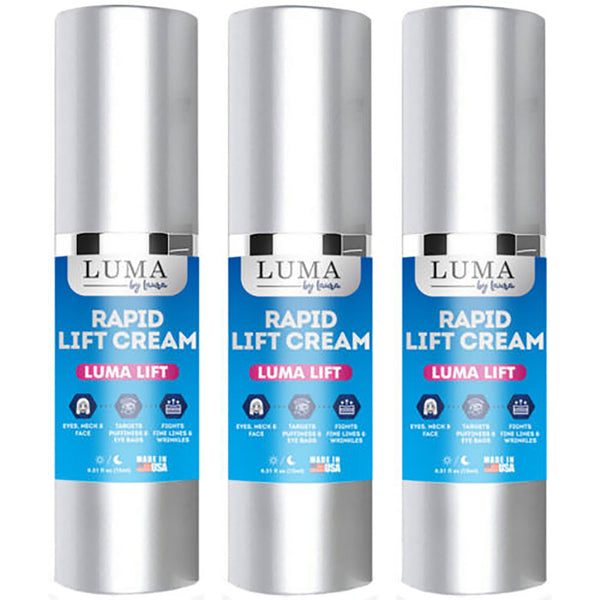
Peptides appear across our line, always in cosmetic, appearance-focused roles. Luma Lift carries three: acetyl hexapeptide-8 and acetyl octapeptide-3 for smoother-looking skin around the eyes, plus palmitoyl tripeptide-1 for a firmer, smoother look. They're paired with sodium hyaluronate for moisture and botanicals including acai, perilla, white oak bark and Irish moss. As it dries, Luma Lift gives a temporary tightening feel. It's $49.00 for 0.5 oz (as of Nov 2, 2026).
To use it, tap a very small amount around the eyes with your ring finger, over your usual eye cream. Do a patch test first, avoid direct contact with the eyes, and stop if irritation occurs. Individual results vary.
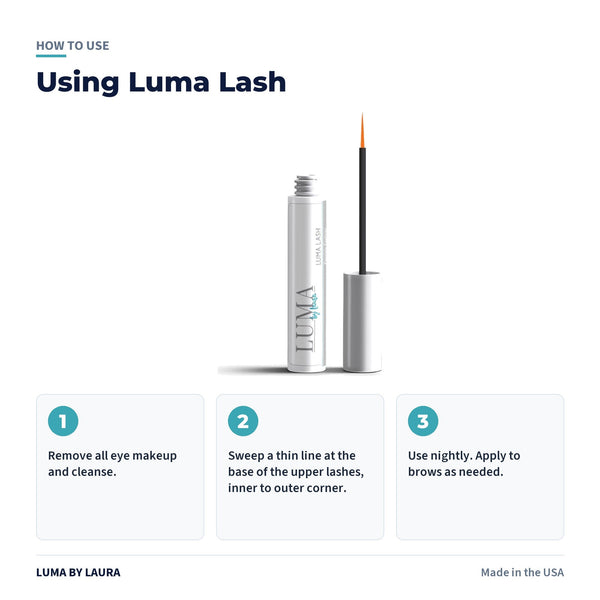
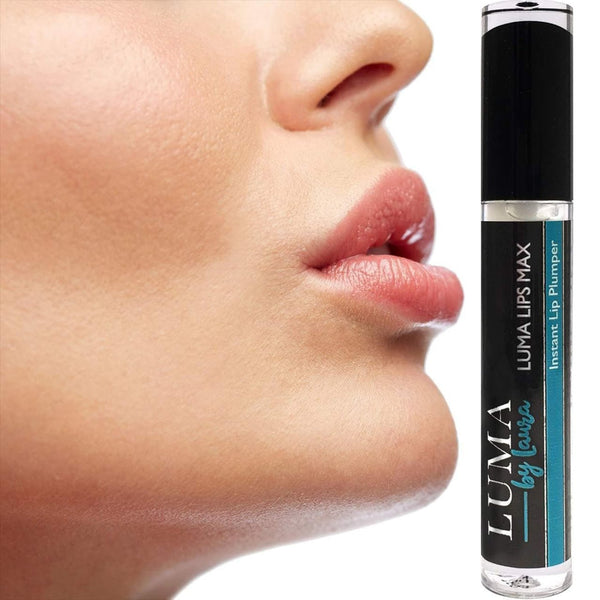
Luma Lips uses a signal peptide, palmitoyl oligopeptide, for smoother-looking lips, and Luma Lash uses peptides to condition lashes. Every ingredient is described in our Skincare Ingredient Notes.
FAQ
What do peptides do for your skin?
They're used to help skin look smoother and firmer. Depending on the type, a peptide may signal skin cells, slow enzymes that break down skin proteins, carry copper, or target the look of expression lines.
Which peptide is best for skin?
There isn't one best peptide. Pick based on your goal: signal and carrier peptides for overall firmness and smoothness, neurotransmitter-inhibiting peptides such as acetyl hexapeptide-8 for the look of expression lines. Check the label for the full name.
Can you use peptides with retinol?
They do different jobs, and the Cleveland Clinic names retinoids as an effective, less expensive option for the look of wrinkles. If you use both, add one new product at a time and follow each product's directions.
Is Argireline the same as Botox?
No. Argireline (acetyl hexapeptide-8) was designed to mimic part of how Botox works, but it's a cream ingredient, and research hasn't shown that it reaches facial muscles when applied to skin.
Are copper peptides good for skin?
Copper peptides (GHK-Cu) have a body of lab and cosmetic research behind them for the look of firmness and fine lines. Much of it comes from researchers connected to companies that sell GHK, so expect modest, gradual results.
What is the disadvantage of peptides?
They're often pricier than well-studied ingredients like retinoids and hyaluronic acid, the evidence for most peptides is small, and many don't easily get past the skin's outer layer.
Luma by Laura makes and sells Luma Lift, Luma Lips and Luma Lash, the products mentioned in this article.
Sources: Cleveland Clinic Health Essentials, "Peptides for Skin Care: Are They Worth It?"; Gorouhi et al., "Role of topical peptides in preventing or treating aged skin." International Journal of Cosmetic Science 2009;31:327-345; "Acetyl Hexapeptide-8 in Cosmeceuticals: A Review of Skin Permeability and Efficacy"; Kraeling MEK et al. "In vitro skin penetration of acetyl hexapeptide-8 from a cosmetic formulation." Cutaneous and Ocular Toxicology 2015; Pickart et al., "GHK Peptide as a Natural Modulator of Multiple Cellular Pathways in Skin Regeneration." BioMed Research International 2015:648108; U.S. FDA, "Is It a Cosmetic, a Drug, or Both? (Or Is It Soap?)".
This article is for general information about skin care and cosmetics. It is not medical advice. If you have a skin condition or concerns about a product or ingredient, talk to a doctor or dermatologist.
Michael GonzalesWrites about skin care and beauty for Luma by Laura. About Michael